


How Storage Retrofits Are Changing Project Development


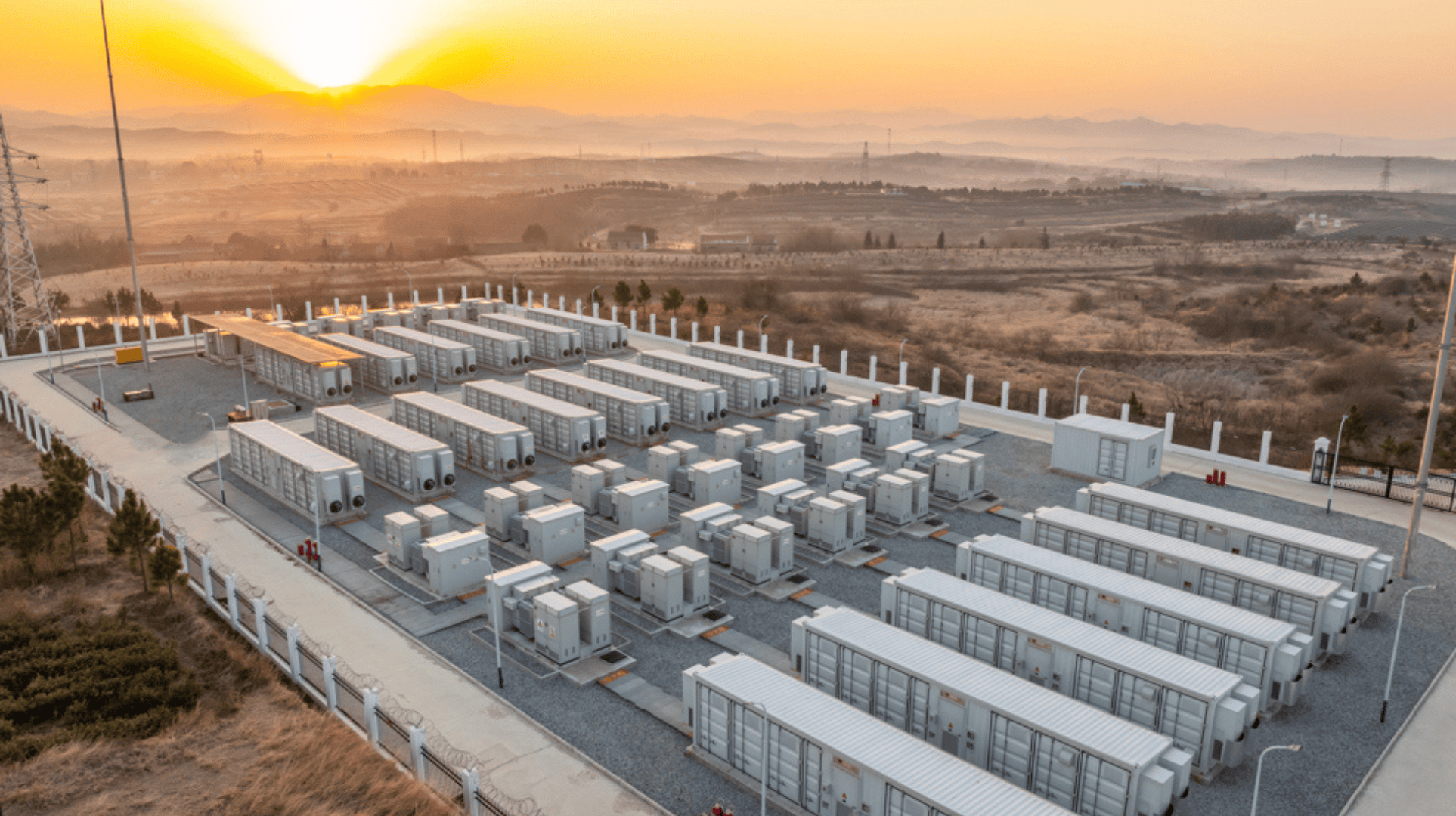
Energy storage retrofits are moving rapidly from edge case to mainstream strategy for owners of operating renewable energy assets. Data from the US Energy Information Administration shows that grid-scale energy storage capacity in the US surpassed 20 GW by the end of 2024, compared with less than 5 GW in 2020. While early growth was dominated by new build projects, a rising share of recent additions is being integrated into existing solar and wind plants.
The commercial drivers are clear. In high renewable penetration markets such as California and Texas, curtailment and price volatility are becoming structural features of the grid. CAISO has reported multiple terawatt hours of curtailed renewable generation annually in recent years, largely concentrated during periods of excess solar output. For asset owners, this directly erodes realized revenues and asset value. Energy storage retrofits provide a practical mechanism to capture otherwise spilled generation and redeploy it into higher-value periods.
Policy has accelerated this shift. The Inflation Reduction Act fundamentally changed the economics of energy storage by extending investment tax credits to standalone systems, including those retrofitted onto existing assets. Market outlooks from Wood Mackenzie suggest this policy change alone has pulled several gigawatts of retrofit activity forward in the mid 2020s. At the same time, utilities and ISOs are placing greater emphasis on flexible, dispatchable clean energy, reinforcing the strategic importance of storage-enabled assets.
How Energy Storage Retrofits Are Being Designed
Most retrofit projects in the US today adopt AC-coupled energy storage configurations. AC coupling is typically favored for operating solar and wind plants because it minimizes disruption to existing generation equipment. By connecting storage on the AC side of the system, developers can often avoid invasive changes to inverters, turbine controls, or DC collection systems.
However, retrofitting storage into operating sites introduces practical constraints that are less visible in greenfield hybrids. Space availability, transformer loading limits, and protection system compatibility frequently shape design decisions. International experience from Australia’s large-scale solar retrofit market highlights similar challenges, particularly around inverter headroom and control system integration. `
Interconnection Risk and Grid Treatment
Interconnection remains one of the highest risk areas for energy storage retrofit projects. Whether a retrofit triggers a full interconnection study can materially impact both timelines and economics. In some cases, adding storage is treated as a non-material modification, particularly where export limits remain unchanged. In others, storage additions can push projects back into congested queues.
ISO rules vary significantly. CAISO and PJM have developed relatively mature frameworks for non-export and limited export storage configurations, while ERCOT’s more flexible market design has enabled faster deployment but with greater merchant exposure. FERC Order 2023 is intended to standardize interconnection processes, but implementation updates published in 2025 indicate that interpretation still differs across regions.
For developers and asset owners, this uncertainty places a premium on early engagement with utilities and grid operators. Projects that proactively model export behavior and operational profiles are better positioned to defend queue positions and mitigate restudy risk. This is an area where experienced grid and interconnection specialists add disproportionate value.
Permitting, Safety, and Local Approval
Permitting is another area where retrofit projects often encounter friction. While existing generation assets typically hold valid land use and environmental approvals, energy storage systems introduce new considerations. Fire safety standards have become more stringent. Updates to NFPA 855 and guidance from the US Department of Energy emphasize thermal runaway mitigation, setback distances, and coordination with local fire authorities.
Local authorities having jurisdiction are increasingly familiar with energy storage, but expectations still vary widely by county and municipality. Developers report that permitting timelines can extend by several months where local codes have not yet been updated or where community engagement is insufficient. Environmental justice considerations are also playing a larger role, especially for projects located near residential areas.
From a commercial perspective, these factors introduce real schedule risk and cannot be ignored. Successful projects tend to involve early dialogue with fire marshals, planners, and community stakeholders, rather than relying solely on precedent from the original generating asset.
Commercial and Revenue Implications
The revenue profile of a power plant changes materially once energy storage is added. Storage enables participation in capacity markets and ancillary services such as frequency regulation. Data from Lazard shows that while the levelized cost of storage continues to decline, revenue stacking remains essential to achieving target returns.
Existing power purchase agreements often require amendment to accommodate storage operation. Some asset owners opt for merchant exposure, particularly in ERCOT and CAISO, while others pursue contracted storage revenues through tolling or shared savings structures. Lenders and tax equity providers have become more comfortable with these models, but diligence remains deeper than for standalone generation.
From an asset valuation perspective, Wood Mackenzie analysis suggests that well structured storage retrofits can enhance both cash flow stability and exit multiples, particularly where storage mitigates curtailment risk. However, poorly scoped projects can introduce operational complexity without delivering commensurate upside.
Execution, Operations, and Team Impacts
Delivering energy storage retrofits within operating plants introduces execution challenges that differ from greenfield builds. Construction must be carefully phased to avoid generation downtime, and commissioning often requires close coordination between EPCs, OEMs, and asset managers. DNV performance reviews highlight that commissioning delays are among the most common causes of schedule slippage for retrofit projects.
Once operational, storage adds a layer of software-driven complexity. O&M teams must manage energy management systems, cybersecurity risks, and data integration across generation and storage assets. Many leading US developers are responding by building internal energy storage centers of excellence, combining development, grid, and operations expertise.
For organizations acquiring operating renewable assets, storage readiness is increasingly a core diligence question. Evaluating interconnection headroom, site layout, and permitting pathways early can materially influence acquisition strategy and long term value creation.
Sources
- US Energy Information Administration, Battery and Energy Storage Market Trends, 2024–2025
https://www.eia.gov/energy/storage
- National Renewable Energy Laboratory, Hybrid Power Plant Configurations in the United States, 2025
https://www.nrel.gov/docs/fy25osti
- California ISO, Curtailment and Storage Integration Reports, 2024–2025
https://www.caiso.com
- FERC, Order 2023 Interconnection Reform Implementation Updates, 2025
https://www.ferc.gov/electric/interconnection-reform
- NFPA, NFPA 855 Standard for the Installation of Energy Storage Systems, 2025
https://www.nfpa.org
- US Department of Energy, Energy Storage Safety Best Practices, 2025
https://www.energy.gov
- Wood Mackenzie, US Energy Storage Outlook, Q4 2025
https://www.woodmac.com
- Lazard, Levelized Cost of Storage Analysis, Version 10, 2025
https://www.lazard.com
Recent news and views
How to Build A Development Team in the USA
Build a strong development team with the right skills, culture, and strategy. Learn how US renewable recruitment works and how to attract, hire, and retain top talent in a competitive market.

Sustainability in Transition: A Changing Market, a Crowded Talent Pool, and the Value of Specialist Recruitment
Over the past 12 months, the sustainability market has entered a new era. The job market surrounding it has become more complex, competitive and in many cases, challenging to navigate for both employers and candidates.

El rompecabezas de la energía renovable en España
El apagón de 2025 en España mostró que el reto está en la infraestructura, no en las renovables. Redes inteligentes, almacenamiento y flexibilidad serán claves para un futuro energético limpio y resiliente.
How to Build A Development Team in the USA
Build a strong development team with the right skills, culture, and strategy. Learn how US renewable recruitment works and how to attract, hire, and retain top talent in a competitive market.
Sustainability in Transition: A Changing Market, a Crowded Talent Pool, and the Value of Specialist Recruitment
Over the past 12 months, the sustainability market has entered a new era. The job market surrounding it has become more complex, competitive and in many cases, challenging to navigate for both employers and candidates.
El rompecabezas de la energía renovable en España
El apagón de 2025 en España mostró que el reto está en la infraestructura, no en las renovables. Redes inteligentes, almacenamiento y flexibilidad serán claves para un futuro energético limpio y resiliente.
How to Build A Development Team in the USA
Build a strong development team with the right skills, culture, and strategy. Learn how US renewable recruitment works and how to attract, hire, and retain top talent in a competitive market.
Sustainability in Transition: A Changing Market, a Crowded Talent Pool, and the Value of Specialist Recruitment
Over the past 12 months, the sustainability market has entered a new era. The job market surrounding it has become more complex, competitive and in many cases, challenging to navigate for both employers and candidates.
El rompecabezas de la energía renovable en España
El apagón de 2025 en España mostró que el reto está en la infraestructura, no en las renovables. Redes inteligentes, almacenamiento y flexibilidad serán claves para un futuro energético limpio y resiliente.
Sign up to our newsletter
Jobs, insights, resources and more. A monthly update, straight to your inbox.